
You do not have to touch your toes to begin yoga. You do not need a photograph-worthy posture, an expensive mat or a body that looks like someone else's. An honest beginning may be much quieter: noticing that your shoulders are tense, moving with care and making a little space between an impulse and your response.
Yoga includes many traditions and approaches. Patanjali's Yoga Sutras describe an eight-limbed path that places ethics, discipline and attention alongside posture and breath. Modern posture-based classes are one part of a much larger landscape. Understanding that landscape helps us practise without reducing yoga to either exercise alone or an instant spiritual cure.
The reflections here are an introduction, not a personalised physical programme. Your body, health and experience matter. Appropriate guidance and a willingness to adapt are part of practice, not signs that you are falling behind.
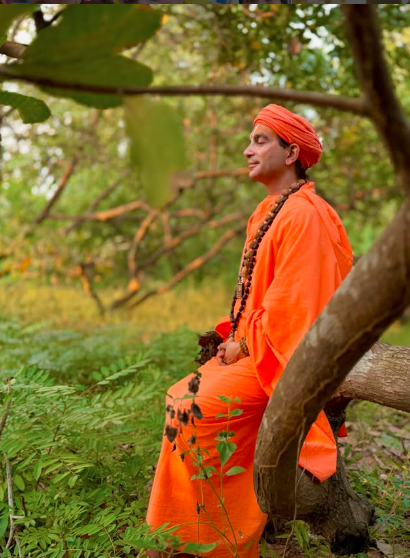
A path larger than the posture
In the Yoga Sutras, yoga is described in relation to stilling the fluctuations of the mind. Different translations bring out different shades of meaning. The aim is not simply to become more flexible; it is to understand attention, habit and the way we become caught in experience. Physical steadiness can support that inquiry.
A useful question after practice is not only 'how far did I stretch?' but 'how did I respond when something was difficult?' Did you force, compare, give up or adjust wisely? The mat can reveal habits that also appear in conversation and work. Learning from them is part of yoga's everyday relevance.
Yama: the ethics we bring to others
The five yamas are commonly named as ahimsa, non-harming; satya, truthfulness; asteya, non-stealing; brahmacharya, traditionally celibacy or disciplined restraint; and aparigraha, non-grasping. Their interpretation varies with context. They ask us to examine behaviour, not simply adopt an attractive list of values.
Begin close to home. Can you be truthful without using truth as a weapon? Can you respect another person's time, acknowledge their work and avoid taking more than you need? Ahimsa also includes the way you treat your own body. A painful posture pursued for pride is not made wise by calling it spiritual.
Niyama: the habits that support practice
The niyamas are saucha, cleanliness; santosha, contentment; tapas, disciplined effort; svadhyaya, self-study and study of sacred texts; and Ishvara pranidhana, devotion or surrender to Ishvara. These terms have a richer traditional background than a short translation can hold. Together, they orient practice towards a cared-for and reflective life.
Contentment is not abandoning ambition; it is learning not to postpone all peace until the next achievement. Discipline is not self-punishment; it is keeping a manageable commitment. Study is not merely collecting books; it is allowing understanding to question your habits. A small daily practice can bring these ideas into ordinary experience.
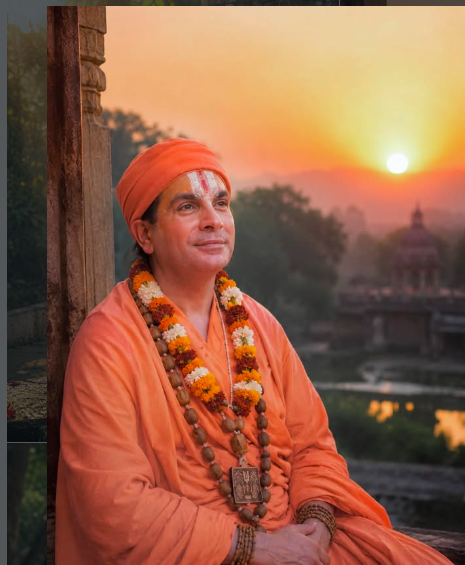
Asana: steadiness with respect for the body
Patanjali describes asana in terms of steadiness and ease. The broad range of postures taught today developed across later traditions and modern practice. They can support movement and bodily awareness, but no single posture is a measure of spiritual worth. A chair-based or adapted practice can be a legitimate beginning.
Work within a comfortable range, avoid forcing joints and stop if you experience pain, dizziness or unusual discomfort. If you are pregnant, recovering from injury or living with a medical condition, seek advice from an appropriate clinician and a qualified teacher before beginning unfamiliar exercises. Adaptation is intelligent practice.
Breath: attention before control
Breathing links many bodily and emotional processes, but its relationship with mood is not a simple switch. For a beginner, noticing the natural breath may be enough. You do not need to hold it, force a deep inhale or meet a particular count to deserve the benefits of quiet attention.
Pranayama includes specialised techniques best learned with suitable instruction. Forceful breathing and prolonged retention are not appropriate for everyone. If attention to breathing makes you anxious, use another anchor such as sounds or the feeling of your feet on the floor. Let the practice meet your actual condition rather than an imagined ideal.
Turning inward without shutting life out
Pratyahara is often explained as a drawing back of the senses from their objects. In everyday terms, begin by noticing how automatically attention follows every notification and sound. You can choose a short interval without unnecessary stimulation while remaining aware of your surroundings and available to genuine responsibilities.
This is not a demand to avoid people or make the world perfectly silent. Try putting the phone aside for a few minutes, then noticing the body and the room. The exercise is learning that not every stimulus requires an immediate response. Attention becomes less scattered when it is given a little room.
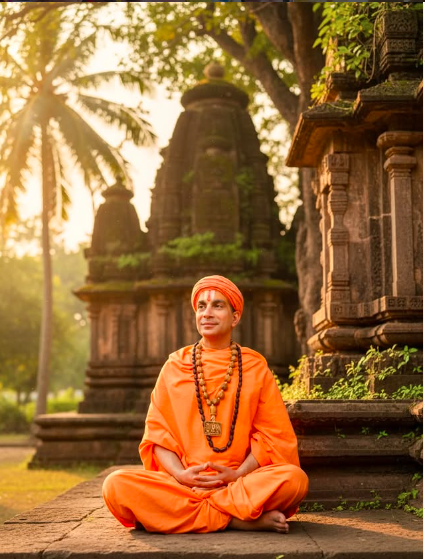
Concentration, meditation and absorption
Dharana, dhyana and samadhi name increasingly subtle dimensions of attention in Patanjali's account. Dharana gathers attention; dhyana describes a more sustained flow; samadhi refers to absorption, discussed in different forms within the text. These are not badges a beginner needs to claim after a pleasant sitting.
Choose a simple anchor and return when attention wanders. A distracted session can still involve worthwhile practice. Avoid chasing unusual sensations or comparing your inner experience with another person's account. If meditation brings intense distress or disorientation, pause and seek appropriate support rather than forcing an experience to fit a spiritual description.
A practice that continues off the mat
Yoga becomes more integrated when its values enter the rest of the day. Let truthfulness shape an email, non-grasping shape a purchase and disciplined care shape your sleep. You may practise for only a few minutes, yet carry its spirit into many ordinary choices. Consistency is more useful than occasional displays of intensity.
A teacher can help you build a suitable practice and explain its traditional background. Choose someone who welcomes questions, respects consent and adapts exercises without humiliation. No responsible spiritual guidance requires you to ignore pain, abandon prescribed care or surrender your judgement. Trust grows where care and clarity are visible.
Practice
A gentle starting rhythm
- Choose a manageable time and a safe space; a chair is perfectly acceptable.
- Notice how you feel before deciding whether movement or quiet sitting is suitable.
- Use only comfortable movements you already know or have learned from a qualified teacher.
- Sit for a few minutes with your natural breath or another easy anchor.
- Choose one ethical intention, such as listening truthfully or avoiding unnecessary harm.
- Finish without rushing and adapt the next practice to what you learned.
Yoga need not make you look extraordinary. It can help you become more attentive to an ordinary life: the body asking for rest, the person asking to be heard, the habit asking to be understood. Begin gently, seek guidance when needed and let steadiness matter more than spectacle.
"A wise practice respects the body and makes room for a more attentive life."
A reflection on practice