
A stranger may seem very far from us until we hear something familiar in their story: concern for a child, grief for a parent, hope for meaningful work. The distance does not vanish completely, but it changes. Universal vision begins with this recognition that another person's life is inwardly as real to them as yours is to you.
Vasudhaiva Kutumbakam, commonly translated as 'the world is one family', is associated with the Maha Upanishad. It offers a generous ethical horizon. To live with that horizon is not to pretend that cultures, faiths and individual needs are identical. It is to refuse to make those differences a reason to deny someone dignity.
This vision becomes useful when it leaves the level of a slogan. How do we listen to someone unfamiliar? Who is included in our concern? Can service preserve the dignity of the person receiving it? These are the everyday questions through which a large ideal becomes a real practice.
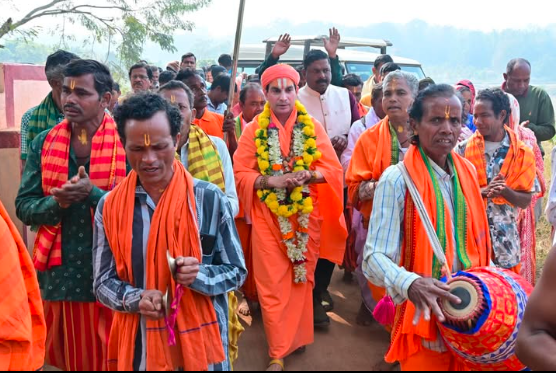
One family does not mean one identical story
Families contain differences, disagreements and needs that cannot all be met in the same way. Seeing the world as a family asks for care across difference, not sameness imposed on everyone. A person can remain rooted in a tradition while recognising that others deserve respect and the freedom to live with different convictions.
Begin by allowing another person to describe their own experience. Avoid assuming that their belief is secretly the same as yours or that you already know what they need. Universal concern becomes deeper when it welcomes particular stories rather than replacing them with a general statement about unity.
Many names, careful understanding
The Rig Veda contains the well-known phrase 'Ekam sat, vipra bahudha vadanti', often translated as 'Truth is one; the wise speak of it in many ways' (1.164.46). It is frequently used in reflection on religious plurality. Its Vedic context matters, and it should not be made to settle every modern question about differences between religions.
A respectful approach can recognise shared concerns while taking real differences seriously. You do not need to agree with every claim to learn something from a conversation. Listen, ask and represent the other person's position fairly. Understanding is not weakened by honest disagreement; it is weakened by contempt and careless assumptions.
Compassion begins with noticing
Someone waiting beside you may be tired, worried or struggling with something you cannot see. Universal vision does not require you to invent a story about them. It asks you to leave room for their humanity. Courtesy, patience and an offer of appropriate help can express that room in practical ways.
Compassion is not always spontaneous. Sometimes it must be deliberately cultivated, especially when we feel threatened or exhausted. That does not make it false. Choose one small response that avoids adding unnecessary harm. If you cannot help directly, you may still be able to guide someone towards suitable support.
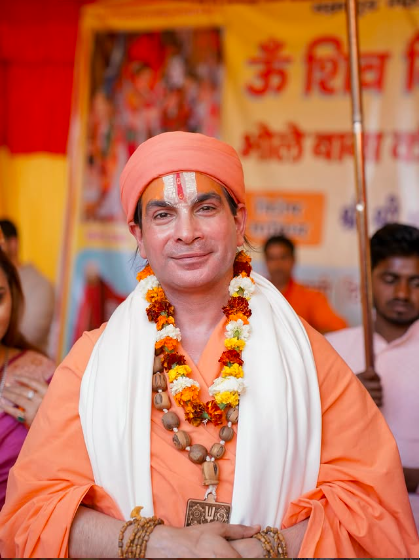
Service with dignity, not spectacle
Good service begins by listening to the people involved. What do they identify as useful? What work is already being done? Who should help decide the next step? A generous intention can miss the need if it never asks these questions. Partnership is often more respectful and effective than assuming that the helper knows everything.
Protect privacy, ask consent before photographs and avoid turning vulnerability into publicity. A person receiving assistance does not owe you a display of gratitude. Service is strongest when it increases agency and dignity, not when it makes the helper the centre of the story. Accountability belongs alongside compassion.
Meeting disagreement without dehumanising
It is easy to practise unity among people who already agree with us. The test comes when views clash. You can challenge a harmful statement, set a boundary or disagree firmly while avoiding the claim that the whole person is worthless. Focus on the action, evidence and consequences rather than the pleasure of humiliation.
Respect does not require tolerating violence, harassment or abuse. Protect safety and seek appropriate help when necessary. Universal concern includes concern for those being harmed. A peaceful appearance that silences them is not a generous vision; it is an avoidance of the responsibility that the situation requires.
The family includes future generations
Choices about water, waste and resources reach people who are not present to speak for themselves. Caring for future generations gives universal vision a longer time horizon. What we use and discard today can become part of the conditions in which others must live tomorrow.
Act at a scale that fits your circumstances: reduce avoidable waste, support responsible local initiatives and learn about the wider systems involved. Personal action matters, but large environmental challenges also require institutions and collective decisions. Shared responsibility is more truthful than either blaming individuals alone or assuming that nothing small can help.
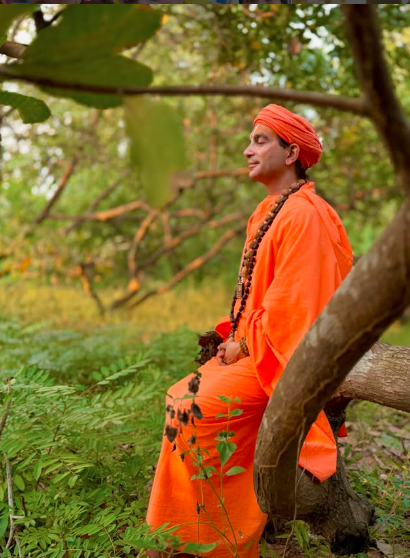
A connection to community work
Spiritual reflection and humanitarian work can meet in a simple principle: people deserve care without first having to become like us. Education, access to basic necessities and respectful health outreach are possible expressions of that principle. Their value depends on actual needs and responsible delivery, not only on inspiring language.
Gramoday offers a place within this mission to learn about village-focused work and opportunities to volunteer. Read the initiative's account, distinguish completed activities from plans and ask questions before committing. A universal ideal becomes more trustworthy when it is joined to clear information about what is being done and what remains to be done.
Widen the circle, one encounter at a time
Notice who disappears from your attention: the cleaner, the delivery worker, the person struggling with a language you speak easily. You may not be able to change their circumstances, but you can refuse to treat them as background. A respectful greeting and patient interaction can restore a little human recognition.
Then extend the practice thoughtfully. Learn from a community beyond your usual circle. Verify information before forwarding a claim about a group. Offer a manageable act of service. Universal vision grows through repeated choices that make dignity less selective, not through announcing that you have already risen above every prejudice.
Practice
Ways to widen your circle
- Offer full attention to someone you normally pass without noticing.
- Learn about another tradition from a source that represents it responsibly.
- Check a claim before sharing it, especially if it targets a community.
- Choose one sustainable act of service and ask what is actually needed.
- Respect consent and privacy when telling stories about people you help.
- Reflect on one boundary you can soften and one boundary needed for safety.
The world as one family is a demanding and beautiful invitation. It does not remove difference or solve every conflict. It asks us to keep dignity in view while doing the difficult work of listening, learning and responding. Begin with the next person you meet. A wider world can enter through a very ordinary act of care.
"Let your circle of care grow wider than your circle of familiarity."
A reflection on practice